
10 B2B Influencer Marketing Examples That Actually Work
10 B2B influencer marketing examples that actually work: SAP, Cisco, Dell, and Notion campaigns that generated real pipeline through peer trust, not ads.

10 B2B Influencer Marketing Examples That Actually Work
B2B buyers trust peer recommendations over brand advertising by a significant margin, yet most B2B marketers still approach influencer partnerships with consumer playbooks that don't translate to enterprise sales cycles. The B2B influencer marketing campaigns that actually generate pipeline look nothing like sponsored Instagram posts.
The following 10 examples show how brands like SAP, Cisco, Dell, and Notion built influencer programs that moved business metrics, along with the specific tactics that made each campaign work.
What makes B2B influencer marketing campaigns successful
B2B influencer marketing works when brands build authentic, long-term partnerships with creators who genuinely reach their target buyers. The campaigns that generate real pipeline share a few common traits: they distribute content across multiple platforms like LinkedIn, podcasts, and blogs; they engage niche audiences with content that actually helps them; and they tell human stories rather than pushing product features.
SAP's work with industry experts, Cisco's #CiscoChat community, Dell's multi-channel content, Notion's user-focused storytelling, and Hootsuite's creative VHS series all follow this pattern. What separates them from forgettable campaigns? They treat creators as partners, not billboards. For a grounding in the fundamentals behind these campaigns, our guide to B2B influencer marketing in 2026 explains how the discipline differs from consumer influencer work.
According to TopRank Marketing's 2025 B2B Influencer Marketing Report, 49% of B2B marketers now integrate influencer content across multiple touchpoints in the buyer journey. Brands running always-on influencer programs report higher effectiveness than brands running isolated campaigns. The difference comes down to sustained relationships versus one-off posts.
SAP and the power of executive thought leadership
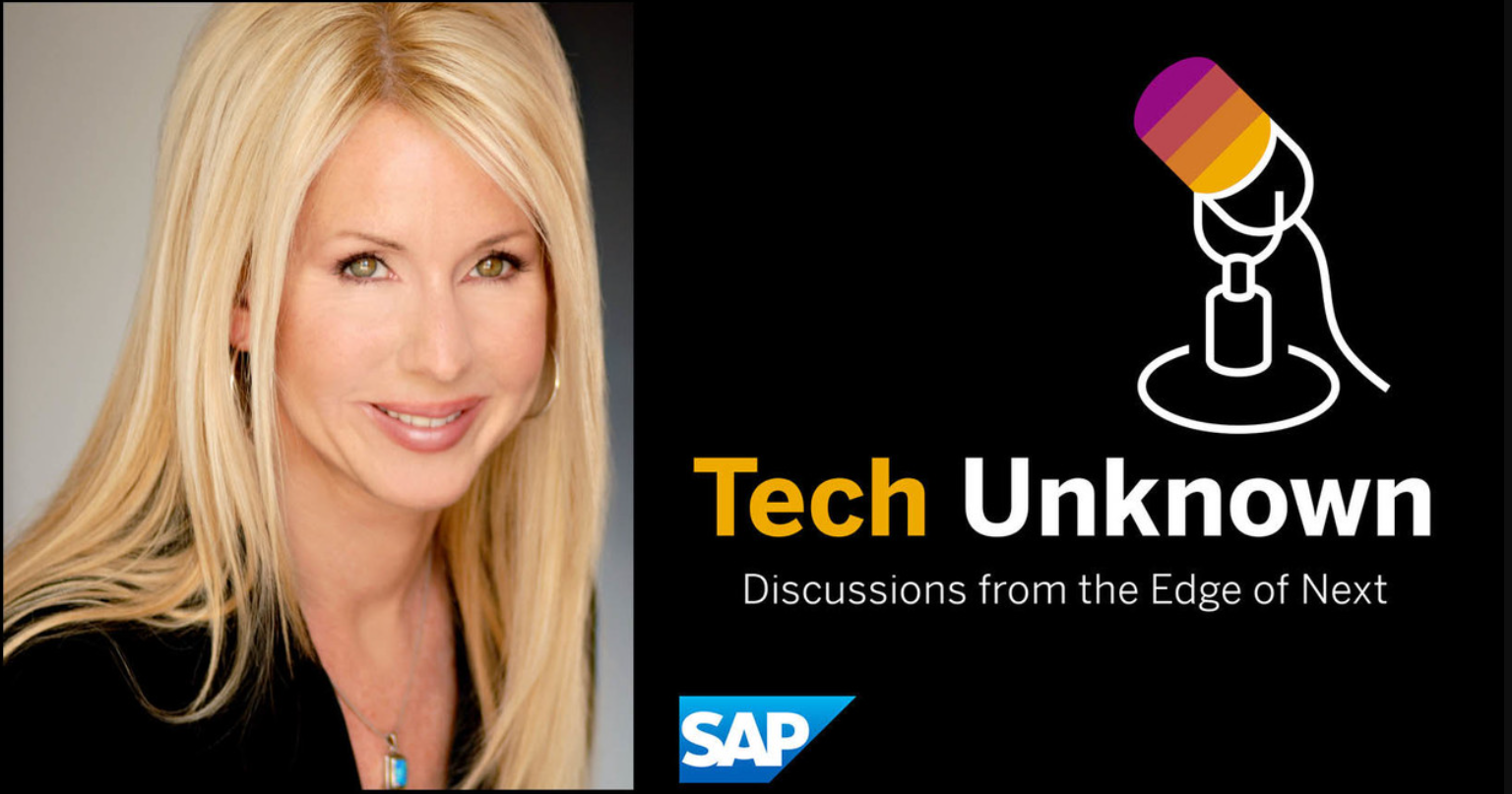
SAP partnered with C-suite executives and recognised industry experts rather than chasing follower counts. Their approach skipped product promotion entirely. Instead, SAP focused on establishing thought leadership around enterprise technology trends.
The company created the Tech Unknown podcast, featuring conversations between SAP leaders and external voices respected in their fields. This format positioned SAP as a convener of important industry conversations, not just another vendor selling software.
What made SAP's approach work was the long-term commitment. SAP didn't run a three-month campaign and move on. They built sustained relationships with experts who became genuine advocates over time, creating a compounding effect on brand consideration among enterprise buyers.
Key Results:
- Positioned SAP as thought leader in enterprise tech
- Created ongoing content asset that compounds in value
- Built authentic relationships with C-suite influencers
Cisco's community-first approach with #CiscoChat
Cisco took a different path by creating #CiscoChat on Twitter, a recurring discussion format that brought together influencers, customers, and internal experts around specific technology topics. The format made complex enterprise technology accessible and engaging.
Rather than broadcasting messages, Cisco facilitated conversations. They invited industry voices to co-host sessions, asked questions that sparked genuine debate, and let the community shape the direction of discussions. This approach built something more valuable than impressions: a community that associated Cisco with helpful, substantive content.
Key Results:
- 55,000+ tweets generated
- 8,000 social mentions
- 44,000 blog hits
- Built engaged community around Cisco's expertise
Dell Technologies and multi-channel content integration
Dell's approach to B2B influencer marketing stands out for its integration across channels. Rather than treating LinkedIn, blogs, podcasts, and virtual events as separate initiatives, Dell created cohesive campaigns where influencer content appeared across all touchpoints.
This matters because B2B buying committees include multiple stakeholders who consume content differently:
- The CFO might prefer a detailed blog post with ROI analysis
- The CTO might listen to podcasts during their commute
- The end user might scroll LinkedIn between meetings
Dell's multi-channel approach ensured their influencer partnerships reached all of them.
Key Results:
- 1.7M+ impressions on Data Paradox campaign
- 2× higher engagement than previous campaigns
- Reached multiple stakeholders in buying committees
Notion Faces and authentic user storytelling
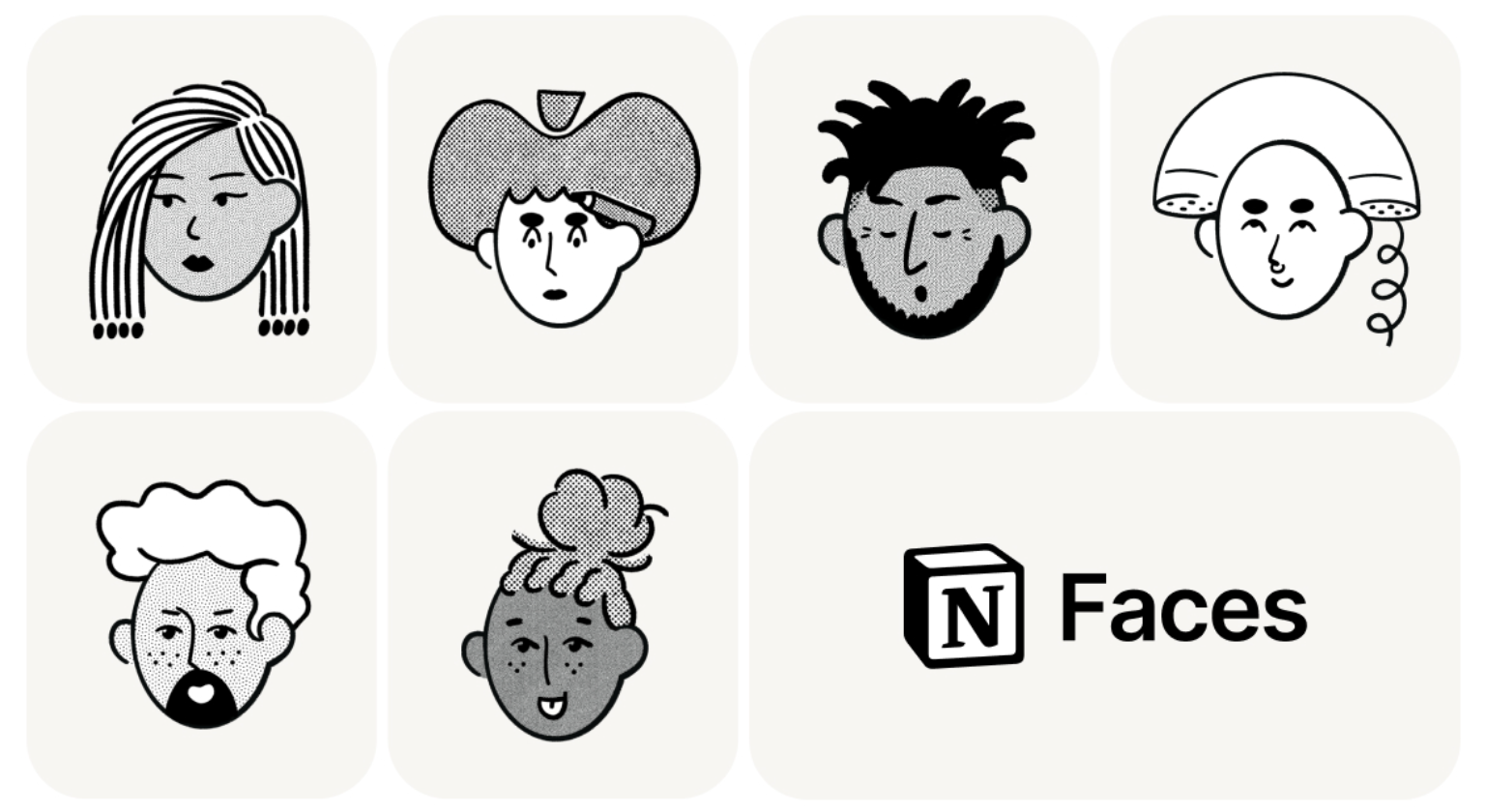
Notion's "Faces" campaign partnered with creators to showcase real-world applications of their workspace tool. Instead of feature demonstrations, the campaign focused on user stories: how actual people used Notion to solve actual problems.
This approach works particularly well for product-led growth companies. When your users genuinely love your product, giving them a platform to share their experience creates content that feels authentic because it is authentic. The creators weren't reading scripts. They were sharing workflows they'd developed themselves.
Each piece of content taught viewers something they could apply immediately. The campaign also strengthened Notion's relationship with power users who became ongoing advocates. Real user stories resonate more than produced testimonials, and Notion leaned into that reality.
Hootsuite's creative VHS campaign

Hootsuite created a campaign that literally sent VHS tapes to influencers as a creative device to illustrate the problem of relying on outdated social media data. The physical VHS tapes served as a tangible metaphor: just as VHS became obsolete, so too does yesterday's social data for making today's decisions.
This wasn't a "video series" but rather a creative activation where influencers received physical tapes that, when played, revealed Hootsuite's message about the importance of real-time social intelligence. Influencers shared their unboxing experiences and the campaign message organically, creating buzz in the B2B marketing community.
Key Results:
- High engagement from targeted B2B marketing influencers
- Strong organic amplification as influencers shared the creative concept
- Positioned Hootsuite as innovative thinker in social media management
Salesforce's Trailblazer Community and Influencer Programme
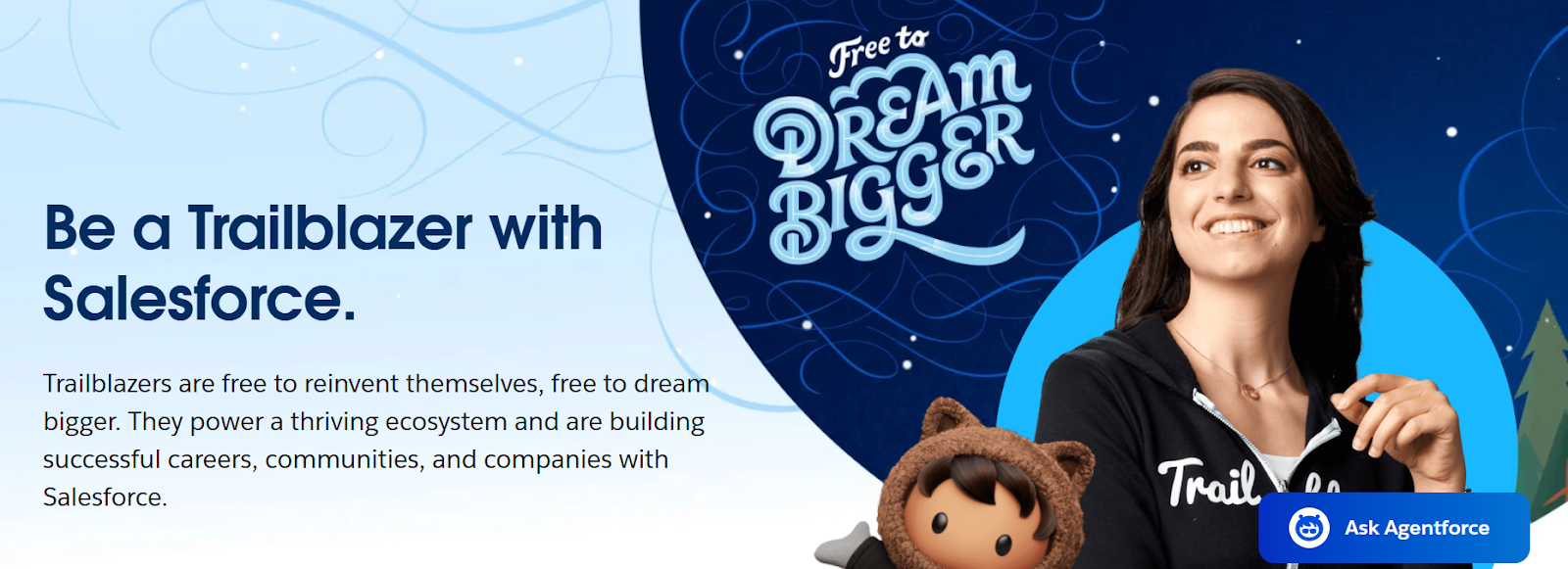
Salesforce built one of B2B's most successful community-driven influencer programmes through its Trailblazer initiative. The programme recognises and elevates Salesforce experts, consultants, admins, developers, and power users, who create educational content, answer community questions, and speak at events.
These Trailblazers become de facto Salesforce advocates, not through paid sponsorships but through genuine expertise recognition and community status. Salesforce provides them with badges, speaking opportunities, early product access, and visibility within the ecosystem.
Key Results:
- Created self-sustaining community of expert advocates
- Generated massive library of user-created educational content
- Reduced customer acquisition cost through peer-to-peer advocacy
IBM's collaboration with tech researchers
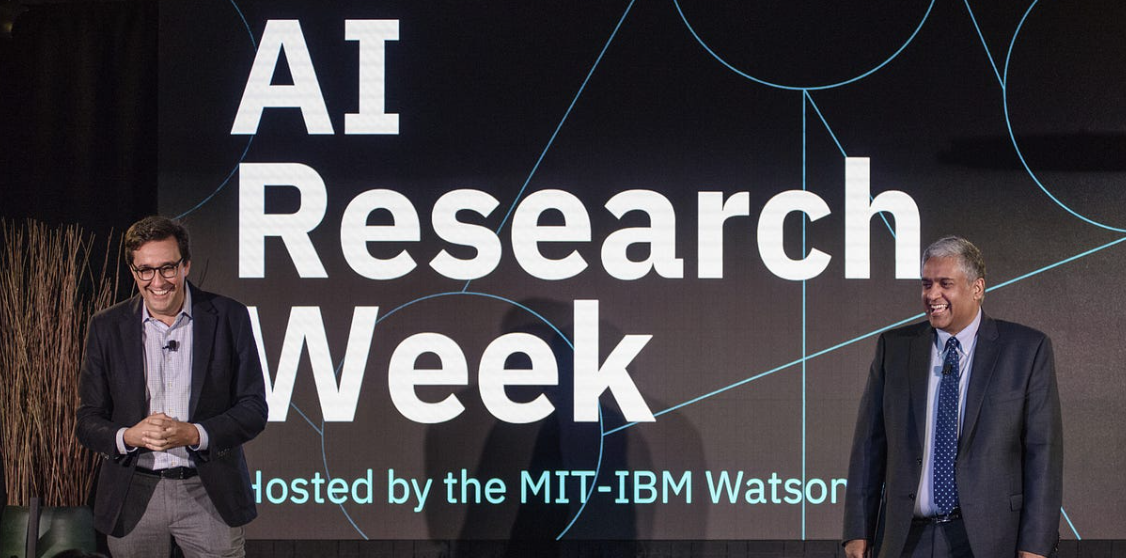
IBM partnered with leading technology researchers and academic voices to highlight their work in AI and cloud computing. This approach targeted a specific audience: technical decision-makers who trust peer-reviewed research and expert analysis over marketing claims.
The content focused on innovation and industry trends rather than IBM products specifically. By associating their brand with respected researchers discussing important topics, IBM built credibility with an audience that actively resists traditional advertising.
This style of B2B influencer marketing works best for brands with genuine technical depth. If your product can't withstand scrutiny from experts, researcher partnerships will backfire. But for companies with real innovation to discuss, researcher partnerships create credibility that no amount of advertising spend can buy.
Key Results:
- High engagement from technical decision-makers and research-driven audiences
- Strong credibility lift through association with respected AI and cloud researchers
- Positioned IBM as a trusted authority in AI and cloud innovation rather than a product vendor
Adobe Analytics Champions Programme
Adobe partnered with leading analytics and martech thought leaders to co-create content distributed through the influencers' professional networks on LinkedIn. Rather than product-focused content, the campaign showcased real-world applications of Adobe Analytics through expert perspectives.
The programme identified respected voices in the analytics community, practitioners who'd built their reputations through years of hands-on work, and gave them a platform to share genuine insights. Adobe's product appeared naturally within these conversations as the tool these experts actually used to solve problems.
Key Results:
- 2× higher engagement vs. previous analytics campaigns
- 150% more LinkedIn lead form completions
- Positioned Adobe as choice of respected analytics experts
Ready to launch B2B influencer campaigns that actually drive pipeline? Flooencer connects you with vetted industry experts whose audiences match your ICP. If you would rather run the selection process yourself, start with our guide on how to find the right B2B influencer for your brand.
Semrush's Influencer Weekend and Spotlight Conference
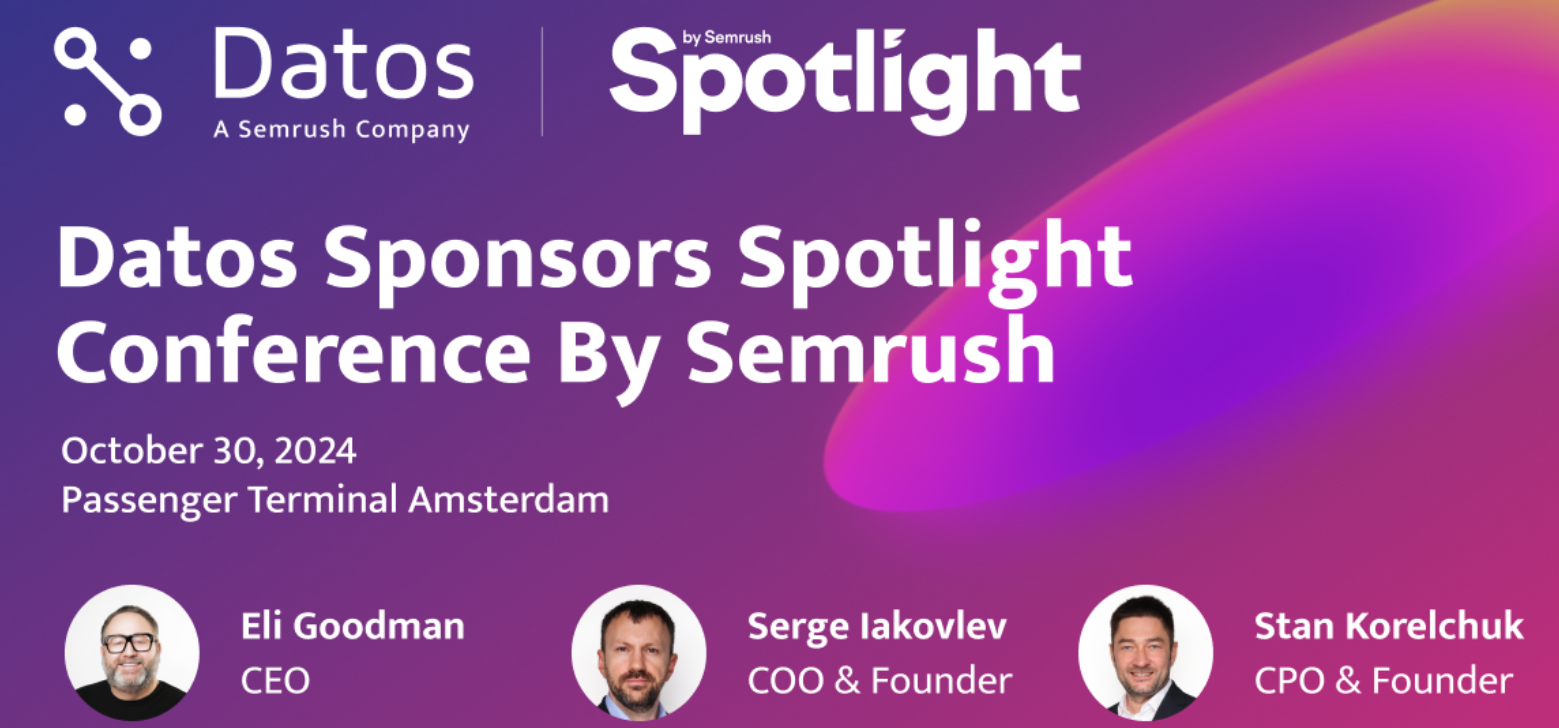
Semrush didn't just sponsor influencers, they created an immersive experience that turned marketing creators into genuine brand advocates. The company hosted an all-expenses-paid "Influencer Weekend" retreat in London, bringing together marketing influencers for collaboration, networking, and behind-the-scenes access to Semrush's team and vision.
This wasn't a typical conference sponsorship. Semrush invested in relationships first, then leveraged those connections for their Spotlight 2024 conference, where the same influencers became keynote speakers. The event design encouraged organic content creation, attendees naturally shared experiences because the event was genuinely worth talking about, not because they were contractually obligated.
The genius was making influencers feel like insiders rather than vendors. When these creators spoke at Spotlight or posted about their experiences, audiences saw authentic enthusiasm from people they trusted, not paid promotions.
Key Results:
- 1,000 conference attendees (double the anticipated turnout)
- 500+ organic social posts from attendees and speakers
- 3.1 million impressions from a single influencer post
- Sparked organic buzz across LinkedIn, Instagram, and TikTok
Sprinklr and influencer-led executive roundtables
Sprinklr partnered with respected CMOs, analysts, and customer experience leaders to engage senior enterprise buyers through influencer-led executive roundtables and virtual events. Rather than promoting products, these influencers led peer-level discussions on challenges such as unified customer experience, social listening at scale, and AI-driven insights.
Sprinklr positioned itself as the platform enabling these conversations, not the focal point. This approach reframed the brand as a facilitator of industry dialogue rather than a vendor pushing solutions.
Content from influencer-led sessions was repurposed across LinkedIn thought leadership, gated reports, webinar replays, and sales enablement assets. A single partnership could therefore support demand generation, ABM, and sales conversations simultaneously.
By treating influencers as peer experts instead of promoters, Sprinklr built credibility with executive audiences who prioritise insight, relevance, and real-world experience over advertising.
Key Results:
- Strong engagement from senior enterprise decision-makers
- Influencer content reused across marketing, events, and sales enablement
- Supported pipeline through executive-level conversations
- Positioned Sprinklr as a trusted authority in customer experience and social intelligence
What B2B influencer campaigns reveal about effective partnerships
Looking across all 10 campaigns, several patterns clearly separate effective B2B influencer marketing from wasted spend.
First, every successful example prioritised long-term relationships over one-off activations. SAP’s sustained executive thought leadership, Salesforce’s Trailblazer ecosystem, and Semrush’s multi-year influencer investment demonstrate how trust and impact compound over time.
Second, value consistently came before promotion. Cisco facilitated peer-led discussions, Notion showcased real user workflows, and IBM elevated research-driven perspectives. In each case, the product supported the narrative rather than dominating it.
Third, multi-channel presence amplified results. Dell’s integrated content strategy, Adobe’s LinkedIn-first distribution, and Hootsuite’s physical-plus-digital activation show how influencer content performs best when it reaches buyers across multiple touchpoints.
Finally, the strongest campaigns were designed with business outcomes in mind. Whether through community growth (Salesforce), engagement lift (Adobe), or organic amplification (Semrush), each program tied influence to measurable commercial impact. Setting clear business influencer marketing KPIs from the outset is what makes that link between influence and revenue visible.
Ready to build B2B influencer campaigns that generate measurable pipeline?
Book a call to discuss your business influencer marketing campaign and learn how Flooencer's vetted creator network and managed campaign services can help you replicate results like the campaigns above.
Commonly asked questions from this article
B2B influencer marketing differs from B2C influencer marketing since it focuses on credibility, expertise, and long-term trust rather than reach or virality. Buyers rely on peer validation and expert insight across longer sales cycles involving multiple stakeholders. Successful B2B campaigns prioritise education, community, and thought leadership over direct promotion.
A B2B influencer is not defined by follower count but by relevance and authority within a specific industry or role. This can include consultants, analysts, practitioners, executives, researchers, or power users whose opinions influence buying decisions within niche professional audiences.
Effective B2B teams measure beyond impressions by tracking engagement quality, content reuse across the buyer journey, lead influence, community growth, and pipeline attribution. The most mature programs integrate influencer content into ABM, demand generation, and sales enablement workflows.
High-performing formats include LinkedIn thought leadership, podcasts, webinars, live discussions, research commentary, and real-world use-case storytelling. Content that helps buyers make better decisions consistently outperforms overt product promotion.
Read more

25 May 2026
Best Influencer Marketing Campaigns That Drove Real ROI
Best Influencer Marketing Campaigns That Drove Real ROI
6 Mar 2026
B2B Influencer Campaign Costs: Complete Guide for 2026
Discover what B2B influencer campaigns actually cost in 2026, from nano-influencers to industry thought leaders, with rate breakdowns by tier, platform, and content type to help you budget smarter.
26 Feb 2026
What Is B2B Influencer Marketing: Guide for 2026
Learn how to build a winning B2B influencer marketing strategy. 86% of B2B brands report success. Discover the framework to join them.